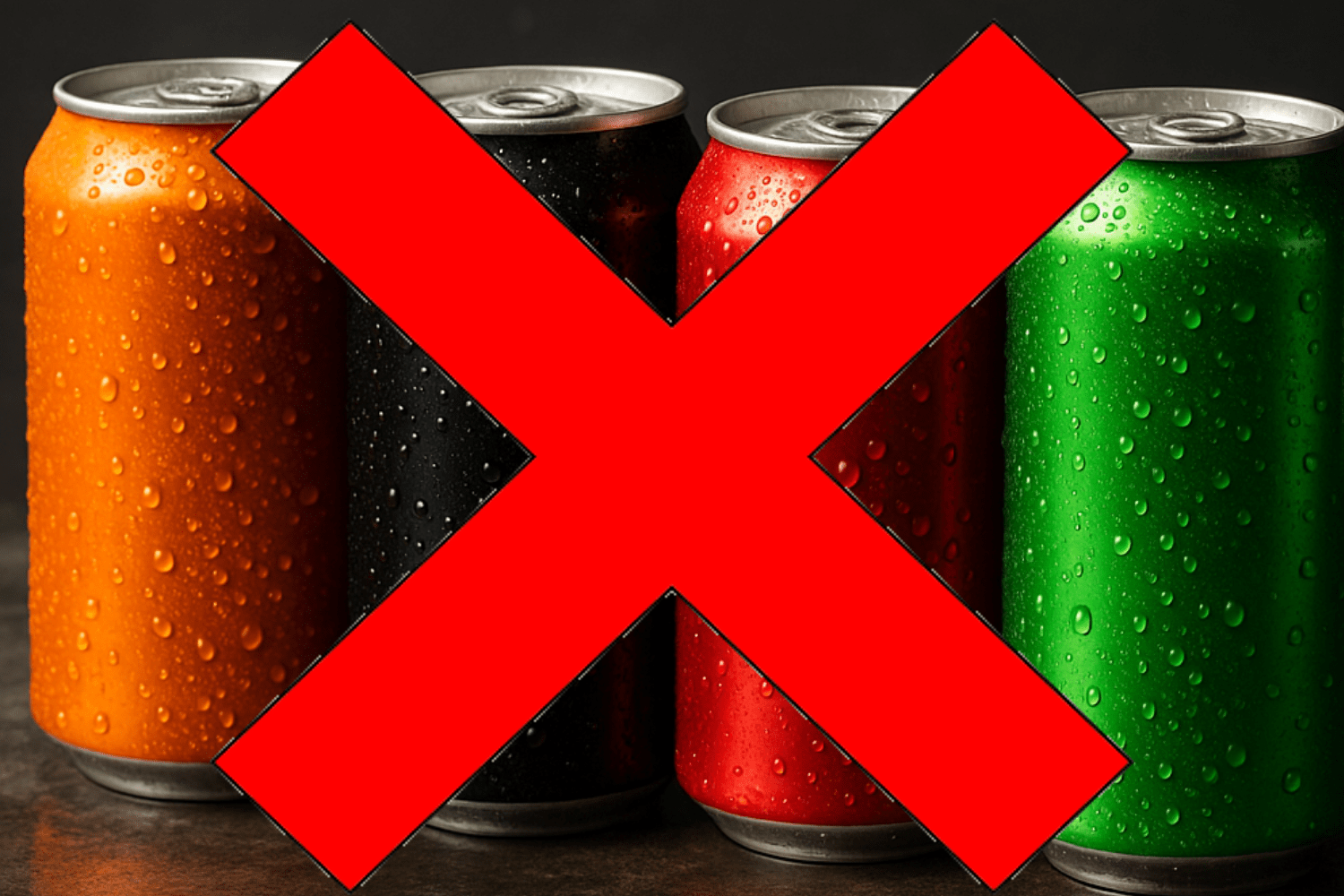
Ohio’s newly passed $60 billion state budget includes a provision that would prohibit the use of Supplemental Nutrition Assistance Program (SNAP) benefits to purchase certain sugar-sweetened beverages, including soda. The proposal, initially introduced by the Ohio House, was removed by the Senate but later restored during the final conference committee negotiations.
Under the provision, qualifying beverages are defined as carbonated, nonalcoholic drinks that are sweetened with sugar or artificial sweeteners and flavored with food additives. Exemptions apply to drinks made primarily from milk or milk substitutes, beverages that contain more than 50 percent fruit or vegetable juice, and those with fewer than five grams of added sugar.
While the restriction has been approved as part of the state budget package, it cannot be implemented immediately. Because SNAP is a federally regulated program, Ohio must apply for and receive a waiver from the U.S. Department of Agriculture (USDA) before the rule can take effect.
Supporters of the proposal frame the measure as a public health initiative designed to reduce taxpayer-funded purchases of sugary drinks. Detractors, however, argue that the policy could unfairly target low-income households and reduce personal choice among SNAP recipients.
If signed by Governor Mike DeWine, Ohio would join a small number of states that have sought federal approval to limit certain food or beverage purchases under SNAP. The move aligns with broader national debates about nutrition, personal responsibility, and the scope of government assistance programs.
About the Author